Blog · Making Money
How People Turn Their Love for Cars Into a Business
Somewhere between a car meet and a late-night scroll of supercar videos, a question appears. Here is how a few ordinary paths turn a genuine passion for cars into something that pays — and where to begin.
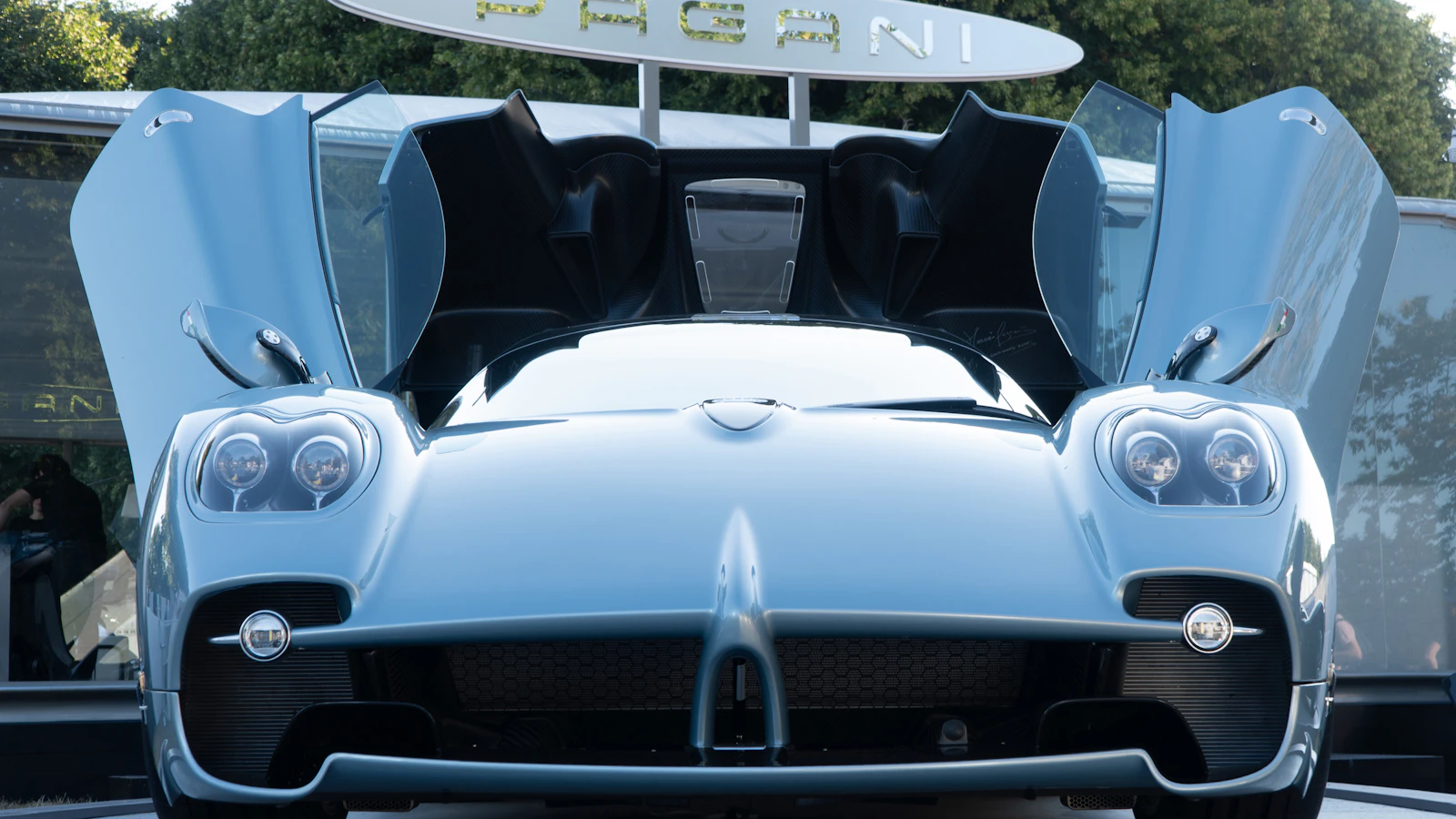
You have seen it. Maybe it was a Porsche 911 pulling up at a signal, a Bugatti Veyron on a showroom floor, or a Ducati Panigale rolling off a transporter. For a second you forgot where you were.
And then the question arrives, the one that is hard to un-ask: What could I build that eventually pays for it?
That question is not foolish. It is the same one people type into search boxes as 'make money with cars' or 'automotive business ideas.' It is also the question behind most of the small businesses that genuinely work — someone who noticed a gap between what people love and what people are actually good at providing, and stepped into it. Cars happen to be one of the biggest, most emotional markets in the world. People do not just buy them. They argue about them, photograph them, restore them, research them for months, and will happily pay for anything that makes the whole experience easier, prettier, or more interesting.
The mistake most people make is thinking the path starts with owning the dream car. It does not. It starts with noticing that everything around the car — the questions, the care, the attention, the community — is already a business. You just have to pick your corner of it.

Attention Comes First. Income Follows.
Almost every automotive business that lasts is built in the same order: attention, then trust, then money. People rarely buy from someone they do not already pay attention to. That is why the first people to turn a love of cars into an income usually did not start by selling anything. They started by being genuinely, visibly interested.
Think about the channels and pages you follow. The ones you return to are not the ones with the most expensive cars. They are the ones that explain why a particular engine earned its reputation, how much a luxury car really costs per year, or what a used superbike buyer should check. That trust is an asset. Once you have it, the income tends to layer on in a predictable sequence:
- First, attention — views, followers, visitors who keep coming back.
- Then affiliate income — when a reader buys the helmet or dashcam you recommended, you earn a small commission.
- Then sponsorships — a brand pays you because your audience already trusts you enough to take your recommendations seriously.
- Finally, your own products — a checklist, a guide, a service of your own.
None of that requires a supercar in the driveway. It requires a clear point of view and the patience to be useful for longer than feels natural.

The Content Creator Who Explains Before They Impress
Car content is everywhere, which leads people to believe it is already saturated. It is not saturated with clarity. It is saturated with walking-around videos of strangers' garages.
Concrete beats generic here. A creator who breaks down the real yearly cost of running a specific car — insurance, tyres, service, fuel — is more useful than one who simply admires it. A channel that compares two superbikes on panniers, comfort, and service intervals is giving people the information they would otherwise hunt through five forums to find. A simple animated explanation of what a particular engine's turbochargers actually do earns shares because understanding it is satisfying.
You can start that with a phone and an idea you would naturally tell a friend about. Whether you think of it as car content creation or simple curiosity made public, the economics are the same: the audience grows, affiliate links to the products you genuinely discuss start converting, and eventually a brand that wants your audience's trust comes knocking. It is slow at first. It is also one of the few automotive businesses you can begin today with nothing but the car you already own — and a sharper question than everyone else has.
The Photographer Who Makes Ordinary Cars Worth Looking At
Not everyone wants to be on camera. Some people are happier behind it, and that is its own business.
Consider who needs car photos: the used-car dealer trying to make a listing stand out, the detailing studio with a freshly finished project, the owner preparing to sell a modified car, the club organizing a Sunday meet. None of them have the time, light, or patience to get the shot right. You do. That is the whole business case for car photography.
The money flow is more direct than in content: you build a small portfolio — a friend's car shot well is worth more than a thousand phone snapshots — you show it to three local dealers or studios, and a job leads to a repeat client. A dealership that trusts your look can become a monthly retainer: every arrival on the lot, you shoot, they list. Car clubs become event work. Owners wanting portfolio shots of their weekend car become referrals.
Notice what the business actually is. Not “taking photos of cars” but “making cars look the way their owners wish they looked.”
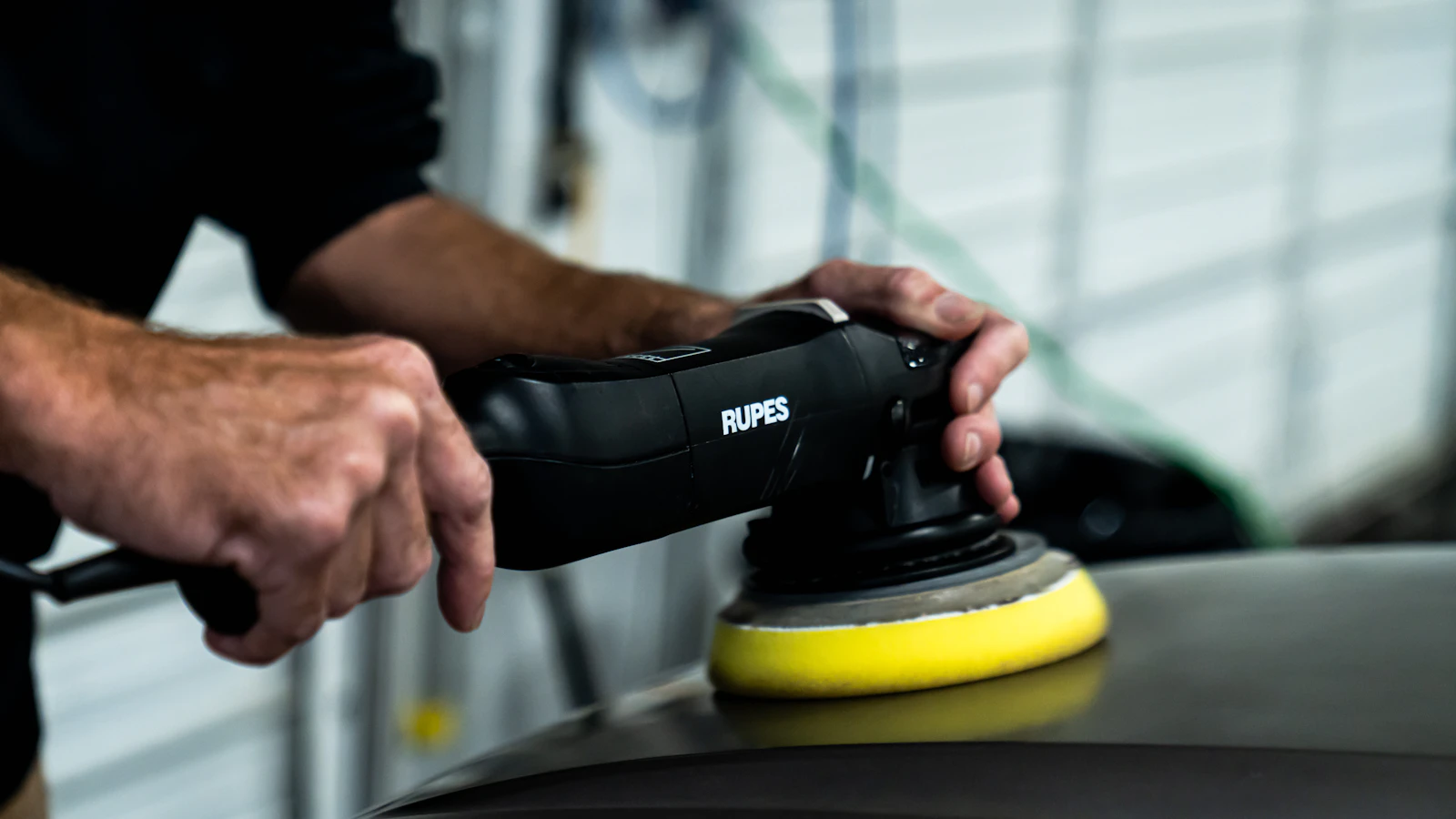
The Detailer Who Earns Trust One Car at a Time
Car care is the unglamorous end of the automotive world, and that is exactly why it can work. Owners spend money to protect a major purchase. They also hate surprises, so a detailer with a clear process and visible results gets talked about — and talked about repeatedly, in the WhatsApp groups and societies where car owners actually communicate.
The path is concrete: learn proper technique, practice safely on your own or a family car, document the before-and-after, then offer it to a few neighbours or a local club. Do the first handful well, ask for reviews, and let word of mouth travel. From there the money flow is the simplest in this whole article: a satisfied customer becomes a regular, a regular brings two more cars through the same referral, and suddenly you have a weekend service that people ask for by name.
The costs are real too — supplies, a space, transportation, time per job. Which is why it suits someone honest about being patient early.
The Reviewer Who Answers the Questions People Already Ask
Every purchase decision is a question. Which helmet for a first long ride? Is this dashcam worth it? Which cleaning kit actually works on a black car? Whoever answers those questions honestly earns attention — and honest answers earn purchase decisions.
That is the engine behind automotive affiliate marketing — a model we walk through in 10 Ways to Make Money Without Investing Money. You do not need to own every product. You need to be transparent about what you have tested yourself and what you have researched, and to be the one who writes the genuinely useful comparison instead of the generic one. A reader who is about to spend on a motorcycle touring setup will find your checklist far more valuable than a store's product page.
When that reader clicks your link and buys, the programme pays you a commission. It is not guaranteed money — it depends on traffic, buying intent, and the programme’s terms — but it is a real, functioning model, and it compounds. One thorough guide can keep working long after you wrote it, which is why this path rewards depth over frequency.

The Researcher Who Builds the Website You Wish Existed
Remember those five forum threads you pieced together to answer one question? Someone could build the page those threads were searching for.
A focused automotive website is that page, done properly: a site for first-time motorcycle buyers, or one that breaks down the running costs of premium cars, or one that explains the difference between a supercar and a hypercar. Ten honest, well-researched pieces for a defined audience will build more than fifty thin ones. The money flow is slower but sturdier: useful articles attract patient search traffic, that traffic monetizes through advertising and affiliate links, and once readers trust the site, sponsors and digital products become possible.
The catch is the one that applies to every version of this: online income is not passive by default. Articles need updates, and readers need a reason to return.
The Maker Who Turns Knowledge Into a Checklist
Sometimes the product is not a business at all until you notice the problem. Every used-car buyer dreads the same thing: missing something obvious during inspection. So the product asks itself — a clear, honest inspection checklist that walks a buyer through service history, tyres, warning lights, documents, and the signs worth a mechanic’s attention. No inventory, no shipping. Build it once, explain it clearly, and let the problem it solves sell it.
The same logic produces maintenance trackers, road-trip planners, touring checklists. Whether these sell depends on whether they solve a problem specific enough that someone would rather pay than improvise. That is the honest test for any digital product in this space.
The Connector Who Makes Two Strangers' Transactions Smoother
Not everyone wants to create content or shoot photos. Some people are natural researchers and talkers, and their corner of the industry is the transaction itself: helping a friend compare listings, organizing vehicle information for a small dealership whose online presence is a mess, matching buyers with reputable specialists. A dealership with cars but chaotic listings is a client waiting for a clearer way to present them.
Here the money tends to look like fees or commissions for the work of making a difficult process easier. One warning, honestly given: arranging sales, collecting commissions, and handling buyers' details can carry legal and contractual obligations. Understand the rules of your location before you build on this one.
You don't have to start with the car you dream of owning. Start with the skill, knowledge, or service you can offer today.
Which One Actually Fits You
None of these paths is fake, and none of them is automatic. The question is fit. If you think in explanations, the content and affiliate path. If you see your eye, the photography path. If you like things to be done properly, detailing. If you think in systems, the website or products. If you like people, the connector role.
There is also a money question worth asking honestly: which of these can survive on the equipment, time, and patience you actually have right now? If the budget is tight, 10 Practical Ways to Save Money Every Month can free up a little room to experiment. That is the question a small experiment answers. It is a more useful pass than any master plan on paper.
A Month You Can Actually Run
Give it thirty days and see what the evidence says.
Week one: pick one subject — not automotive, one subject. Affordable touring gear. Budget dashcams. What a proper pre-purchase inspection actually covers. Study the questions people repeat, and notice what is already answered well versus what is not.
Week two: make three things worth looking at. Not three hundred posts — three things. An honest comparison guide. One good photo set of a car with permission. A checklist you would actually use.
Week three: put them in front of real people. A forum, a local club, a dealer’s inbox with a specific offer, not a generic pitch.
Week four: look at what happened. Who saved it, shared it, replied, asked the price. That reaction is the demand. Whatever earned the most of it earns your next month.
The first month may produce nothing but information. That is still a result.

The Dream Does Not Pause for You. The Skill Does Not Wait to Be Ready
Here is the uncomfortable and surprisingly freeing part. The Porsche, the Panigale, the Veyron — they are not waiting for your feelings about them. And neither is the first draft of the channel, the first three listings you shoot, the first checklist someone pays for.
Everyone who eventually stands in front of their dream machine built the first version of something unimpressive on a weekday evening. A shaky video. A messy shoot by a car park. A checklist nobody saw. The dream is the destination. The skill is the starting point — and the starting point is entirely yours to take, tonight, with what you already own.
So the next time the idea occurs to you — and it will, at the sight of that car — answer it properly. Not with “someday.” With: which small thing can I make this week that is worth paying attention to?
The car can remain the dream. Building something of your own can be the first step towards it.